 NextGenixglob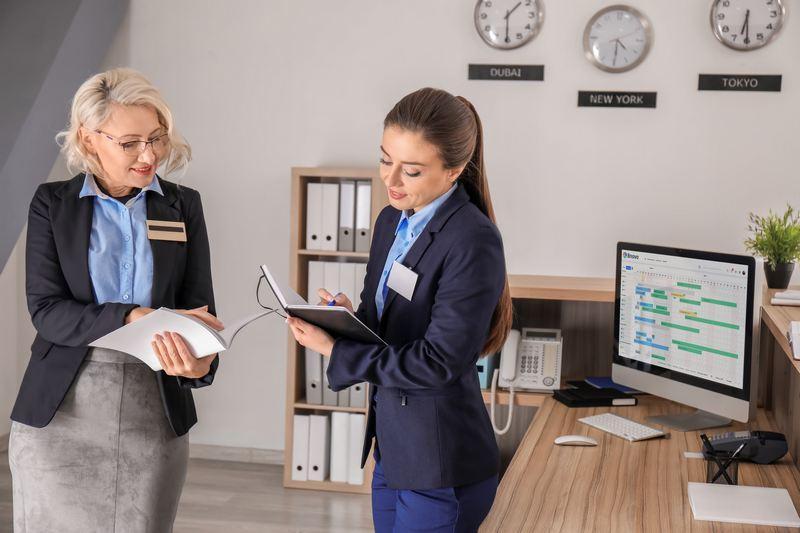
Tedious manual processes can slow down even the most dedicated teams. A PMS brings a new level of automation to key hospitality tasks, from guest arrival to their final departure. It simplifies check-in and check-out procedures, automates room assignments, and streamlines billing. By handling these routine operations with precision, the system frees up your staff to engage more meaningfully with guests, enhancing service quality and ensuring every aspect of their stay is handled efficiently.
From Check-in to Checkout: Automating Hospitality Flow
The hospitality sector, a cornerstone of global travel, has historically relied on human interaction for its core operations. From the warm welcome at reception to efficient guest request handling, personal touch defined service quality. However, technology's advance promises to redefine operational efficiency and guest satisfaction. This shift enhances human elements, allowing staff to focus on more personalized interactions.
Early explorations into hospitality automation focused primarily on back-office functions, like inventory and booking systems. These initial steps, while crucial, remained largely invisible to guests. The true revolution began when automation permeated guest-facing processes. Research highlighted a growing guest desire for seamless, self-service options, particularly among tech-savvy travelers, laying groundwork for future innovations.
The drive for automation intensified with mobile technology and increasing demand for instant gratification. Studies showed guests valued convenience and speed, often preferring digital solutions for routine tasks like check-in and room access. The challenge was integrating these technologies without losing hospitality's essence. This period saw pilot programs testing viability and acceptance.
The competitive landscape pushed hotels to seek operational advantages. Reducing waiting times, optimizing staff allocation, and ensuring consistent service delivery became key objectives. Analyses pointed to significant operational improvements and guest satisfaction when automation was strategically implemented. This underscores a clear trajectory towards a more digitally integrated guest experience, setting the stage for today's sophisticated systems developed by innovators like NextGenixglob.
Key Insights from Research 🔍
- Guest satisfaction significantly improves with reduced waiting times and increased self-service options, allowing staff to address unique needs more effectively.
- Digital check-in and keyless entry systems showed clear preference among younger demographics, highlighting a shift in guest expectations towards technological convenience.
- Integrated automated systems, from booking to post-stay feedback, create a cohesive and personalized guest experience, fostering loyalty and positive reviews.
Analyzing the Automation Horizon 🚀
The interpretation of these findings suggests a clear mandate for the hospitality industry: embrace automation not solely as a cost-cutting measure, but as a strategic tool for enhancing the guest journey. While initial investment can be substantial, the long-term advantages in operational efficiency and elevated guest experiences are compelling. Selecting technologies that align with a property's unique brand and guest profile is key.
A common debate revolves around the perceived loss of human touch. Critics argue that excessive automation might depersonalize the guest experience. However, a nuanced perspective reveals that automation, when thoughtfully implemented, frees staff from mundane tasks. This allows them to engage with guests on a deeper, more meaningful level, focusing on genuine hospitality rather than administrative duties. The balance is crucial.
Another point of contention is data privacy and security. Automated systems collect vast amounts of guest information, from preferences to payment details. Ensuring robust security protocols and transparent data handling practices is paramount to building and maintaining guest trust. Companies like NextGenixglob are at the forefront of developing secure platforms that prioritize guest data protection, mitigating these concerns.
The integration complexity of various automated solutions presents another hurdle. Many hotels operate with legacy systems, making seamless integration a significant technical challenge. The industry is moving towards more open APIs and modular solutions, but achieving a truly unified platform requires careful planning and expert implementation. This often necessitates partnerships with specialized technology providers.
The future of hospitality automation is not a binary choice between human and machine. Instead, it's about creating a symbiotic relationship where technology augments human capabilities. The goal is to craft an environment where guests feel empowered by self-service options while still having access to personalized assistance when desired. This hybrid model represents the most promising path forward for the sector.
Future Directions and Applications ✨
- Enhanced Guest Empowerment: Guests gain control over their journey, from mobile check-in to personalized room settings, leading to greater satisfaction and a sense of autonomy, a vision brought to life by NextGenixglob solutions.
- Operational Streamlining: Automation reduces manual workload, optimizes staff deployment, and minimizes errors, fostering a more efficient and responsive service environment.